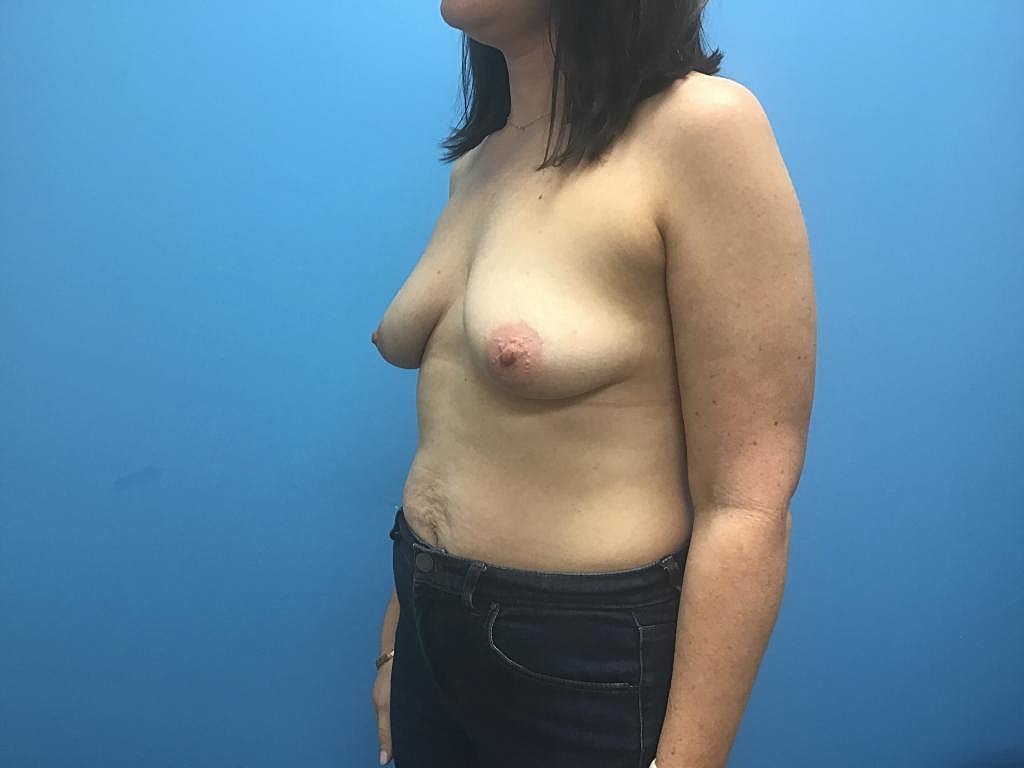
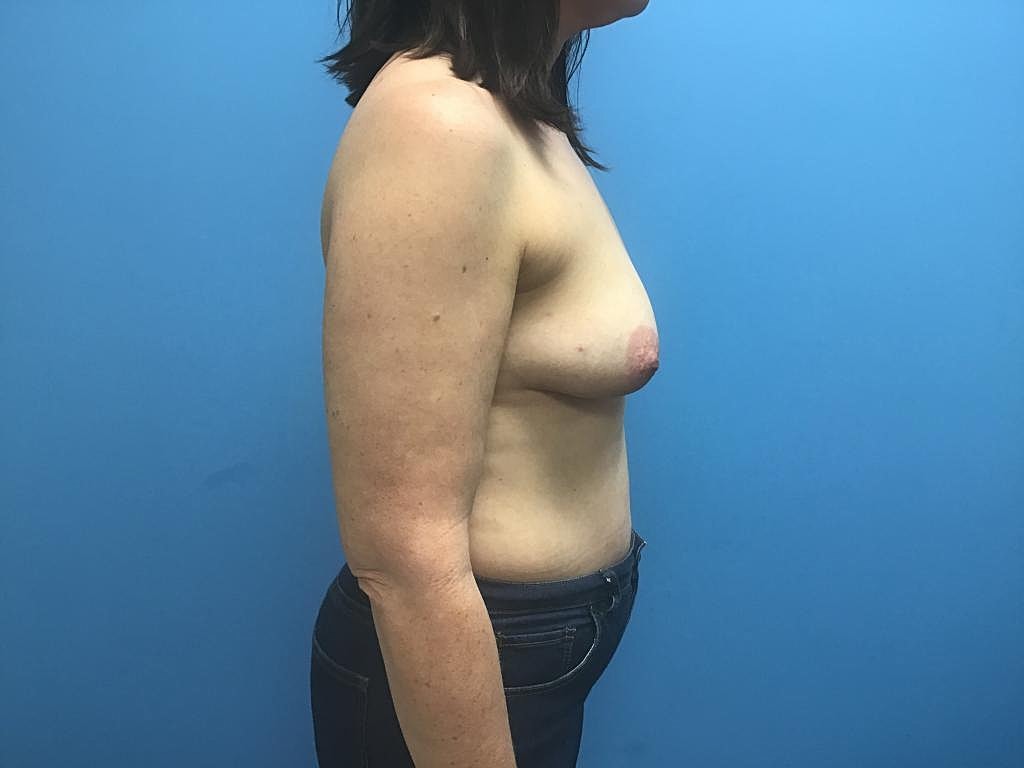
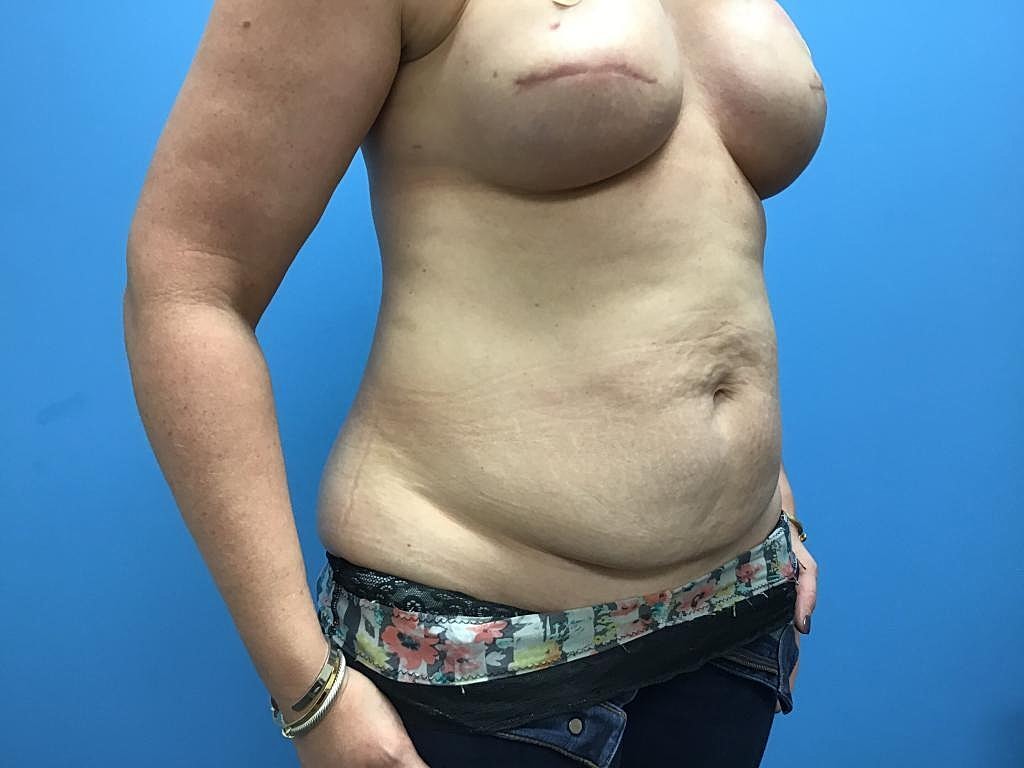
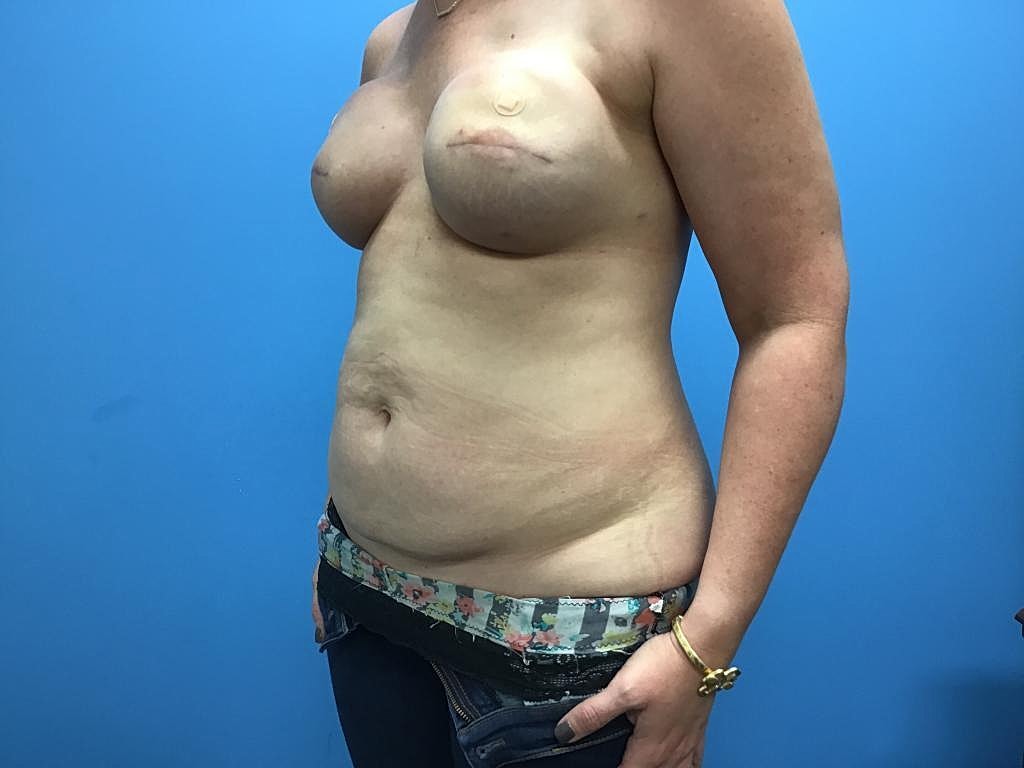
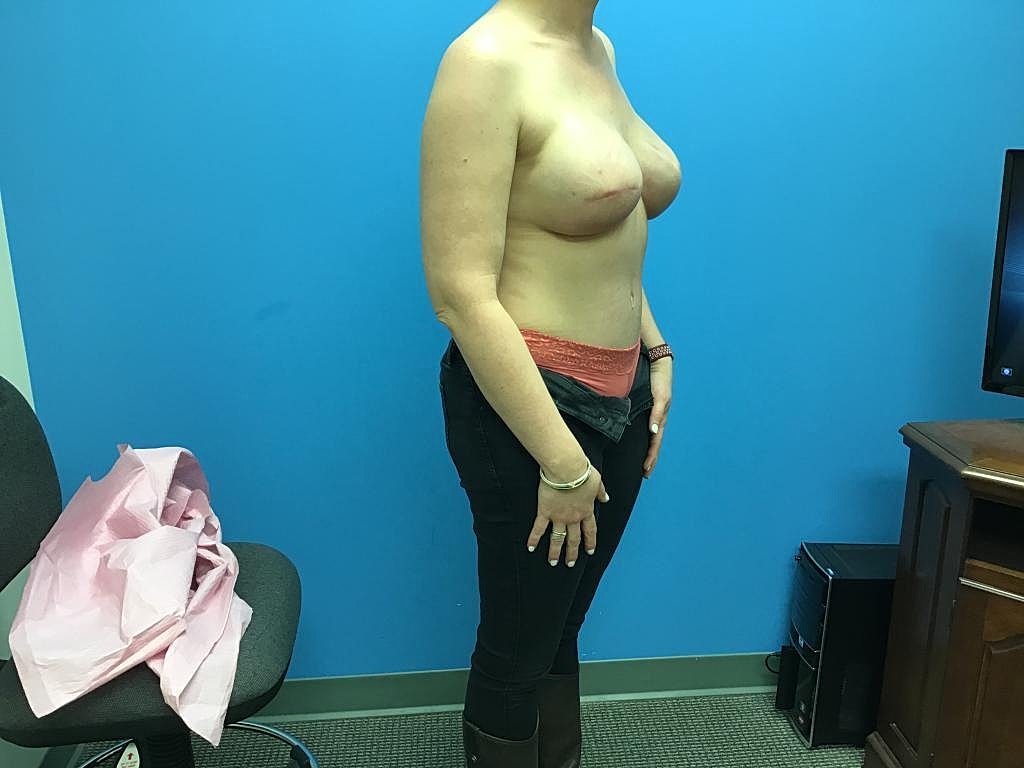
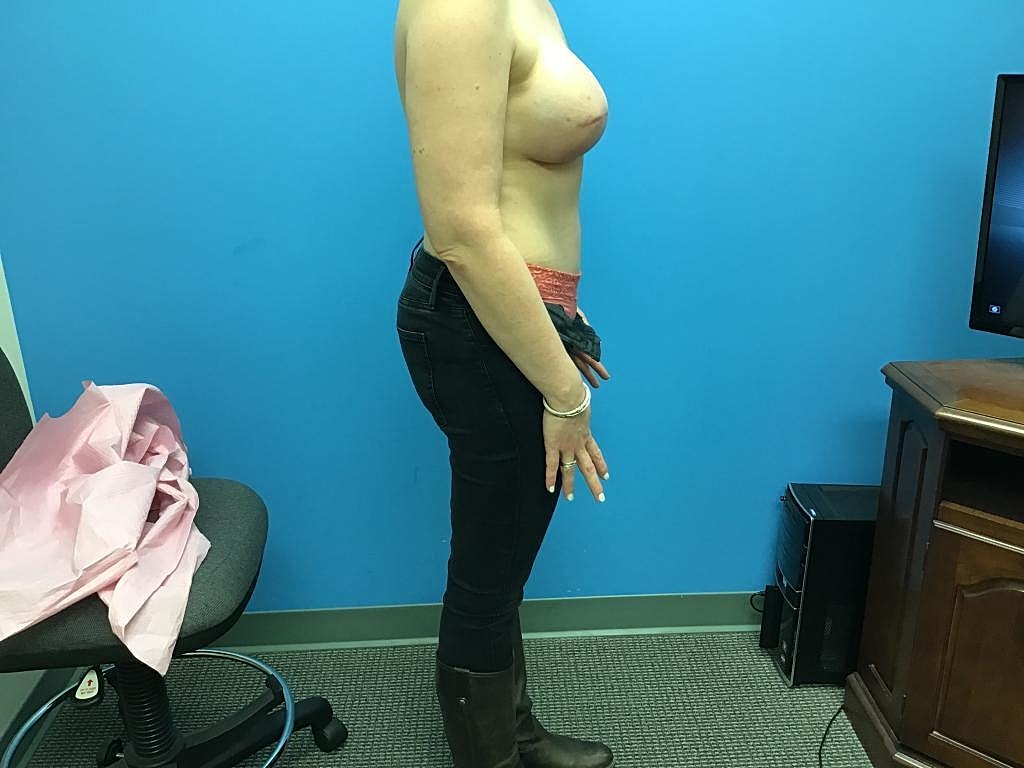
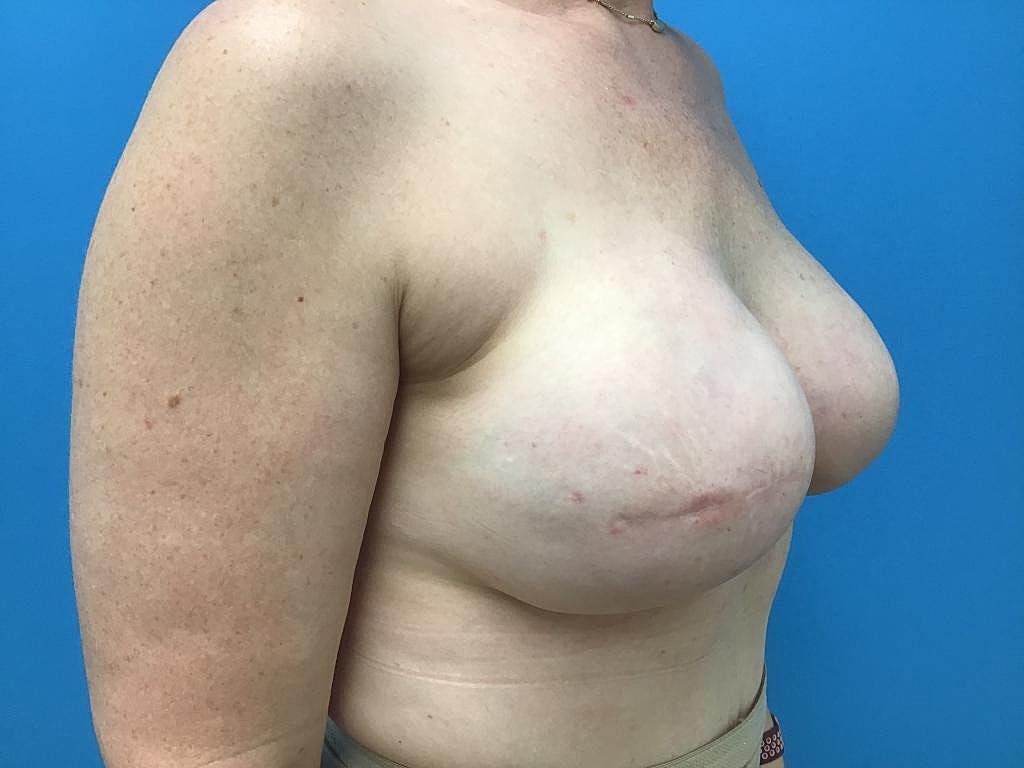
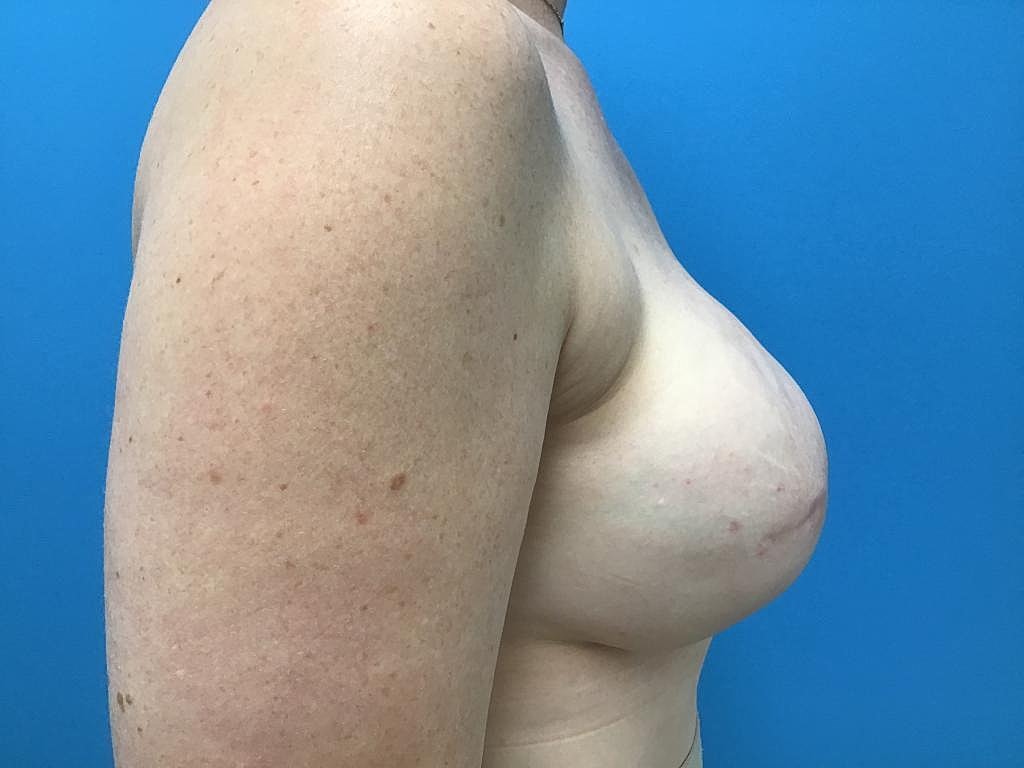
Breast Reconstruction

Breast reconstruction is a vital step toward reclaiming your wholeness, balance, and self-confidence following a mastectomy. At Knoxville Center for Dermatology & Plastic Surgery, board-certified plastic surgeon Dr. Daniel Fowler specializes in advanced restorative surgery. Our team works closely with your surgical oncologists to provide personalized, warm, and clear guidance every step of the way.

Rebuild breast shape, volume, and symmetry after mastectomy or lumpectomy.
Implant-based reconstruction or autologous flap techniques
Immediate (performed during mastectomy) or delayed (months or years later).
Restores body proportions, improves clothing fit, and supports emotional healing.

Breast reconstruction is a surgical process that recreates the appearance, size, and shape of one or both breasts, typically after cancer excision or preventative surgery.
Dr. Daniel Fowler tailors each procedure to align with your health status, oncology treatment timeline, body type, and personal preferences.
Depending on your treatment plan, reconstruction can begin at the time of your mastectomy (immediate reconstruction) or take place after radiation and chemotherapy are complete (delayed reconstruction). Main reconstructive pathways include:

We are committed to achieving natural, long-lasting results that empower our patients and enhance their quality of life.
1 of 4

Implant Reconstruction
Implant reconstruction is a common choice for breast reconstruction and typically involves placing a silicone or saline implant beneath the skin. Initially, a tissue expander may be used to stretch the skin and create space for the implant. Over several weeks, the expander is gradually filled until the desired size is achieved. Once ready, it's replaced with a permanent implant. This method offers a shorter recovery time and can be tailored to match your body shape.
Autologous Flap Reconstruction
Autologous flap reconstruction uses your body's own tissue—often from areas like the abdomen or back—to form a new breast mound. Dr. Fowler carefully transfers this tissue to the chest area, ensuring it receives proper blood supply. While this procedure involves more complex surgery and longer recovery, many find it provides a more natural look and feel since it's composed of living tissue.
Restorative plastic surgery directly corrects physical changes caused by breast cancer therapies:
Reconstructive surgery offers meaningful physical and emotional benefits during cancer recovery.
Restored Symmetry and Proportions
Rebuilding a natural breast mound creates balanced contours that fit comfortably in standard bras, swimwear, and everyday clothing without external prosthetics.
Emotional Healing
Restoring your silhouette helps close the chapter on cancer treatment, allowing you to focus on wellness, activity, and confidence.

Most women undergoing mastectomy or lumpectomy for cancer treatment or prevention are candidates for reconstruction. Ideal candidates are non-smokers in good overall medical health who have clear communication with their oncology care team. Your candidate profile depends on factors like radiation history, body mass index, and diabetes management. Dr. Fowler will evaluate your complete medical history to recommend the safest pathway.
Allowing your chest wall and tissues adequate time to heal is vital for a smooth outcome. You will wear a surgical or compression bra to manage fluid, reduce swelling, and support healing tissue pockets. Mild soreness, tightness, and fatigue are common in the first few weeks and are easily managed with prescribed medication.
Most patients feel ready to resume light daily tasks and desk work within 2 to 3 weeks. Strenuous upper-body workouts, heavy lifting, and vigorous exercise must be avoided for 6 to 8 weeks to protect delicate muscle repairs and implants.
You will see immediate structural form changes following initial surgery, with your final shape refining over 3 to 6 months as swelling settles and tissues relax into a natural position.
Modern breast reconstruction techniques provide long-lasting results. While reconstructed breasts will not have the exact sensation of original natural tissue, the restored shape, soft contour, and restored symmetry remain stable for years. Routine imaging and follow-ups ensure your long-term health and implant integrity.

At Knoxville Center for Dermatology & Plastic Surgery, your reconstructive care is guided by board-certified plastic surgeon Dr. Daniel Fowler. Our unique practice model brings plastic surgeons, board-certified dermatologists, and medical teams together under one roof on Papermill Drive in Knoxville, TN. We work directly alongside your oncology team to coordinate compassionate, top-tier surgical care centered around your safety, comfort, and peace of mind.
Dr. Daniel Fowler has operated on hundreds of patients in need of breast reconstruction with superb results. He will guide you closely from initial consultation, through surgery, recovery, follow-up, and beyond.
Yes. Under the Women's Health and Cancer Rights Act (WHCRA), group health plans that cover mastectomies are required by law to cover all stages of breast reconstruction, symmetry procedures on the opposite breast, and post-mastectomy prostheses.
Immediate reconstruction allows you to wake up from mastectomy with a breast mound already started. Delayed reconstruction is often recommended if you require post-mastectomy radiation therapy or need time to complete active cancer treatments first.
No. Numerous clinical studies have confirmed that breast implants and autologous flap procedures do not increase the risk of cancer recurrence or interfere with routine surveillance.
Implant-based reconstruction typically involves two main stages (expander placement followed by implant exchange). Flap procedures may be completed in one or two surgeries, followed by an optional minor visit for nipple reconstruction or symmetry adjustments.
Because breast reconstruction is medically necessary following cancer treatment, it is covered by health insurance plans. Our office assists with pre-authorization and financial coordination prior to scheduling.