Medical Dermatology


Medical dermatologists specialize in complex skin diseases that go beyond routine skin care needs-conditions involving autoimmune dysfunction, systemic inflammation, chronic relapsing disease, and skin signs of internal illness. At Knoxville Center for Dermatology & Plastic Surgery, our practice brings board-certified expertise and evidence-based treatment approaches to patients across the Knoxville area dealing with severe or persistent skin conditions.
Whether you've been referred by another physician or have been struggling with a frustrating, unresolved diagnosis, our team is trained to provide the advanced general and subspecialty-level care your condition demands.

Diagnosis and long-term management of complex, chronic, and systemic skin diseases, distinct from cosmetic dermatologic services that primarily improve appearance
Systemic immunosuppressants, biologics, intralesional injections, and advanced topical treatments tailored to disease severity
Initial comprehensive evaluations typically last 30–60 minutes, allowing time for thorough history, examination, and diagnostic planning.
Chronic conditions often require regular follow-up every 4–12 weeks initially, transitioning to every 3–6 months once stable

Medical dermatology is a subspecialty within dermatology devoted to diagnosing, treating, and managing skin, hair, and nail disorders with systemic, autoimmune, infectious, or genetic components. While general dermatology treats common conditions like acne and eczema in outpatient settings, and cosmetic dermatology addresses concerns related to aging and appearance, medical dermatology focuses on complex skin diseases that often reflect internal pathology and require long-term care and systemic therapies.
Medical dermatologists often manage systemic skin diseases, conditions in which the skin serves as a window into broader health. They recognize cutaneous signs of internal diseases to improve patient outcomes, identifying clues that may indicate lupus, dermatomyositis, sarcoidosis, or other multisystem disorders. Medical dermatology intersects with specialties like rheumatology and oncology, requiring coordinated care across disciplines. Medical dermatologists also provide consultative care in hospital settings for patients with severe or life-threatening dermatologic emergencies.
Medical dermatology differs from cosmetic dermatology, which focuses on improving appearance through elective procedures. Instead, the emphasis here falls on medically necessary interventions-understanding disease mechanisms, selecting appropriate systemic or biologic therapies, monitoring for complications, and working to prevent irreversible damage.
Your first visit begins with a comprehensive evaluation designed to understand not just your skin symptoms but the full clinical picture. Expect your dermatologist to spend 30–60 minutes reviewing your complete medical history, including onset and progression of symptoms, prior treatments and responses, family history, and any systemic signs such as joint pain, photosensitivity, or fatigue.
A thorough physical examination follows, assessing skin, hair, and nails for diagnostic clues. Procedures in medical dermatology may include biopsies and excisions when tissue diagnosis is necessary. Depending on your presentation, your providers may order:
Your dermatologist will coordinate with your other healthcare providers, primary care physicians, rheumatologists, or oncologists, to ensure a unified treatment plan. By the end of your consultation, you'll have a clear understanding of your diagnosis, recommended next steps, and what to expect from treatment.

Medical dermatology treatment is determined by your specific condition, its severity, and your individual health profile. Dermatologists manage chronic skin conditions that may require systemic medication, and treatment is tailored through a stepwise, evidence-based approach.
Topical treatments, including corticosteroids, calcineurin inhibitors, and newer small-molecule agents like tapinarof and roflumilast, remain foundational for localized or early-stage disease. Intralesional corticosteroid injections provide targeted relief for nodules, keloids, and inflammatory lesions.
When disease is widespread or resistant to topical therapy, systemic agents such as methotrexate, cyclosporine, azathioprine, and mycophenolate mofetil may be introduced. These medications require baseline screening for infections, including tuberculosis and hepatitis, followed by periodic monitoring of liver function, kidney function, and blood counts.
Treatment options have grown a lot in recent years. For psoriasis, doctors can use several types of biologic medicines to target inflammation. For severe eczema (atopic dermatitis), newer biologics like dupilumab and tralokinumab, along with oral JAK inhibitors like upadacitinib, offer strong relief. For hidradenitis suppurativa, adalimumab was the first FDA-approved biologic, and newer options like secukinumab and bimekizumab are now available.
Today, we often recommend using these targeted therapies earlier in treatment rather than waiting until the disease becomes severe.
All systemic therapies require structured monitoring. This includes baseline and periodic laboratory assessments, screening for infections and malignancies, evaluation of immunization status, and ongoing assessment of treatment adherence and response. Safety remains central to every treatment decision.
Medical dermatology encompasses a broad range of conditions that require specialized expertise to diagnose and manage effectively. Consultation with a medical dermatologist is recommended when skin disease is moderate to severe, when topical therapy has failed, when autoimmune or systemic features are present, or when biologics or systemic therapies are being considered.
Pemphigus vulgaris, bullous pemphigoid, dermatomyositis, and epidermolysis bullosa acquisita require precise diagnosis through immunofluorescence and specialized pathology. These conditions often require immunosuppressive agents and careful long-term monitoring.
Severe psoriasis affects approximately three percent of the American population and may require biologic therapy when topical treatments alone are insufficient. Atopic dermatitis-a common form of eczema-causes red, itchy, and dry patches on the skin that can significantly impact daily life when moderate to severe. Hidradenitis suppurativa, chronic urticaria, and lichen planus also fall within this category.
Systemic lupus erythematosus, Sjögren's syndrome, and antiphospholipid syndrome frequently present with skin findings. Dermatitis in its various forms, including contact dermatitis, results from allergic or irritant reactions to substances and may require patch testing and targeted avoidance strategies.
Skin cancer includes basal cell carcinoma and malignant melanoma, and skin cancers account for over two million diagnoses each year in the U.S. While surgical management may involve Mohs micrographic surgery, medical dermatology contributes to non-surgical management of cutaneous lymphoma and systemic therapies for advanced disease.
Alopecia refers to hair loss conditions such as alopecia areata and male pattern baldness, which can be deeply frustrating for patients. Nail disorders include fungal infections and structural abnormalities of the nails. Acne develops when hair follicles become clogged with oil, and while it is a common skin condition, severe or cystic forms may require systemic medical management.
Human papillomavirus causes benign skin growths known as warts. Melasma results in dark spots on the face due to various factors, including hormonal changes. Rosacea, moles requiring monitoring, and other dermatologic concerns round out the scope of conditions we evaluate and treat.
Specialized medical dermatology care fundamentally changes the trajectory of chronic and complex skin disease. Patients who have cycled through ineffective over-the-counter remedies or generalized treatment plans often find that a targeted, expert-driven approach delivers the symptom control and quality of life improvement they deserve.
For conditions like psoriasis, atopic dermatitis, and hidradenitis suppurativa, the difference between generalized treatment and subspecialty management can mean the difference between ongoing flares and sustained disease control.
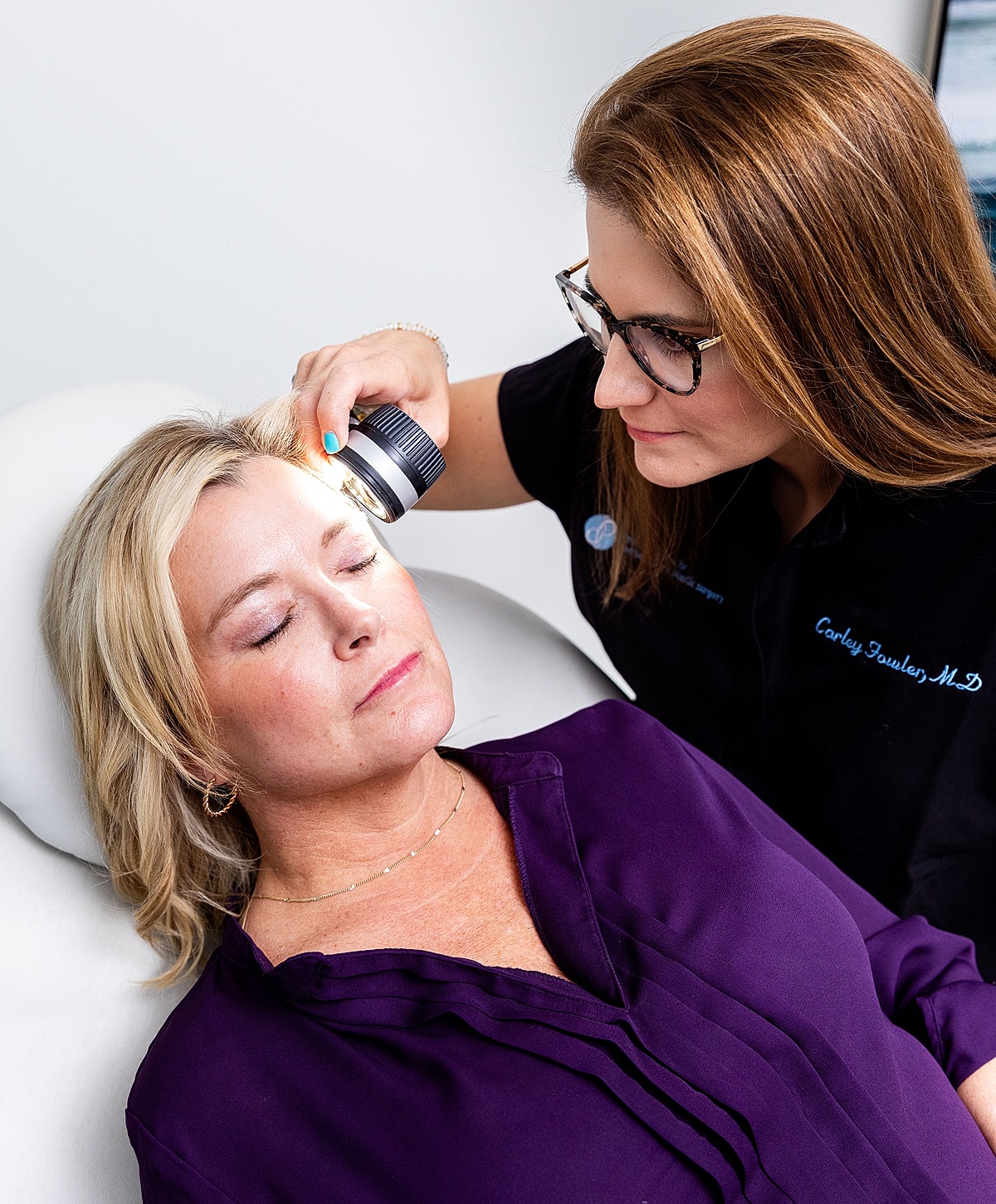
Medical dermatology is ideal for patients in Knoxville, TN, dealing with persistent, severe, or undiagnosed skin conditions. You are an ideal candidate if you have a chronic inflammatory skin disease, suspect an autoimmune disorder, have a history of skin cancer, or have failed standard over-the-counter and basic topical treatments.
Contraindications depend on specific systemic medications—for instance, pregnant patients or those with active severe infections may need tailored alternative therapies. A full medical evaluation ensures every treatment plan is safe and matched to your health profile.

Improvement timelines vary meaningfully by condition and treatment modality. For biologics in psoriasis, many patients notice improvement within 4–8 weeks, with maximal skin clearance typically achieved by 12–16 weeks. Autoimmune blistering diseases may show an initial response to corticosteroids within weeks, but full disease control often requires months of immunomodulatory therapy. JAK inhibitors tend to have a somewhat faster onset, though durability varies.
They manage conditions requiring systemic therapies, and long-term care-and follow-up schedules reflect this reality. Initial appointments are typically spaced every 4–12 weeks to assess treatment response, adjust dosing, and monitor for side effects. Once stable, visits may extend to every 3–6 months, with ongoing laboratory monitoring for long-term safety.
Lifestyle modifications meaningfully augment medical therapies. Stress reduction, smoking cessation, weight management (particularly important in hidradenitis suppurativa and psoriasis), appropriate skin care routines, and consistent sunscreen use all support treatment success. Adherence to prescribed regimens is critical-nonadherence remains one of the most significant factors in suboptimal outcomes for chronic skin disease.
For conditions such as cutaneous lymphoma, ongoing surveillance is essential, as the risk of disease progression necessitates annual or more frequent assessment, even during periods of apparent remission.
Our physicians bring board-certified, fellowship-trained expertise in treating the full spectrum of complex dermatologic disease. We are proud to offer knowledgeable, subspecialty-level patient care backed by current evidence-based guidelines and access to the latest research and clinical trials.
What distinguishes our practice is a commitment to diagnostic precision and a collaborative approach to care. We work directly with rheumatology, oncology, and internal medicine colleagues when your condition demands it. Our providers stay current with rapidly evolving treatment options, from newly approved biologics to emerging precision medicine approaches that match therapy to an individual's disease phenotype, severity, and biomarker profile.
We understand that living with chronic skin disease can be isolating and frustrating. Our team prioritizes clear communication, thorough education, and genuine partnership with every patient. Whether you're a new patient seeking answers for an undiagnosed condition or managing a long-standing disease, we bring the expertise and dedication your health deserves.
If you're dealing with a complex, chronic, or severe skin condition, we encourage you to schedule a comprehensive evaluation with our team. Early, accurate diagnosis and expert treatment can make a meaningful difference in your long-term skin health and overall well-being.
What to bring to your first visit:
Factors influencing your costs include:
Insurance typically covers medically necessary dermatology treatments, including systemic medications, biologics, and diagnostic procedures. However, some newer therapies may require prior authorization, documentation of prior treatment failures, or step therapy. Our office works with patients to navigate insurance requirements and identify available resources to manage costs.
General dermatology typically involves outpatient procedures for common conditions such as acne and eczema, as well as routine skin screenings. Medical dermatology focuses on complex skin diseases, autoimmune disorders, severe inflammatory conditions, and systemic diseases with cutaneous manifestations that often require systemic therapies, biologics, and long-term specialized management.
Your initial evaluation will typically last 30–60 minutes and include a detailed medical history review, comprehensive skin examination, and any necessary diagnostic testing such as biopsies or blood work. You'll leave with a clear diagnosis or diagnostic plan and a personalized treatment strategy.
Treatment duration varies significantly by condition. Many patients see improvement within weeks to months of starting therapy, but autoimmune skin diseases frequently require ongoing management-sometimes for years or indefinitely-to maintain disease control and prevent flares or complications.
Insurance typically covers medically necessary treatments, including systemic medications, biologics, diagnostic biopsies, and laboratory monitoring. Some therapies may require prior authorization or documentation of prior treatment failures. Our office can help navigate coverage questions and connect you with manufacturer assistance programs when applicable.
Referral requirements depend on your insurance plan. Some plans allow direct scheduling with a specialist, while others require a referral from your primary care provider. Contact our office and we can help determine what your plan requires and assist with the scheduling process.